We help policymakers and industry make informed decisions about sustainable aviation.
Independent analysis and whole-system insight into aviation transition.
The 2030 sustainable aviation goals established a strict five-year roadmap to activate four breakthrough, system-wide transformations and avoid derailing the aviation sector’s goal of reaching net-zero climate impact by 2050.
Aviation
Partners & contributors
We collaborate with stakeholders across academia, industry and government.








Latest insights
August 5, 2026
Carbon, contrails & cocktails
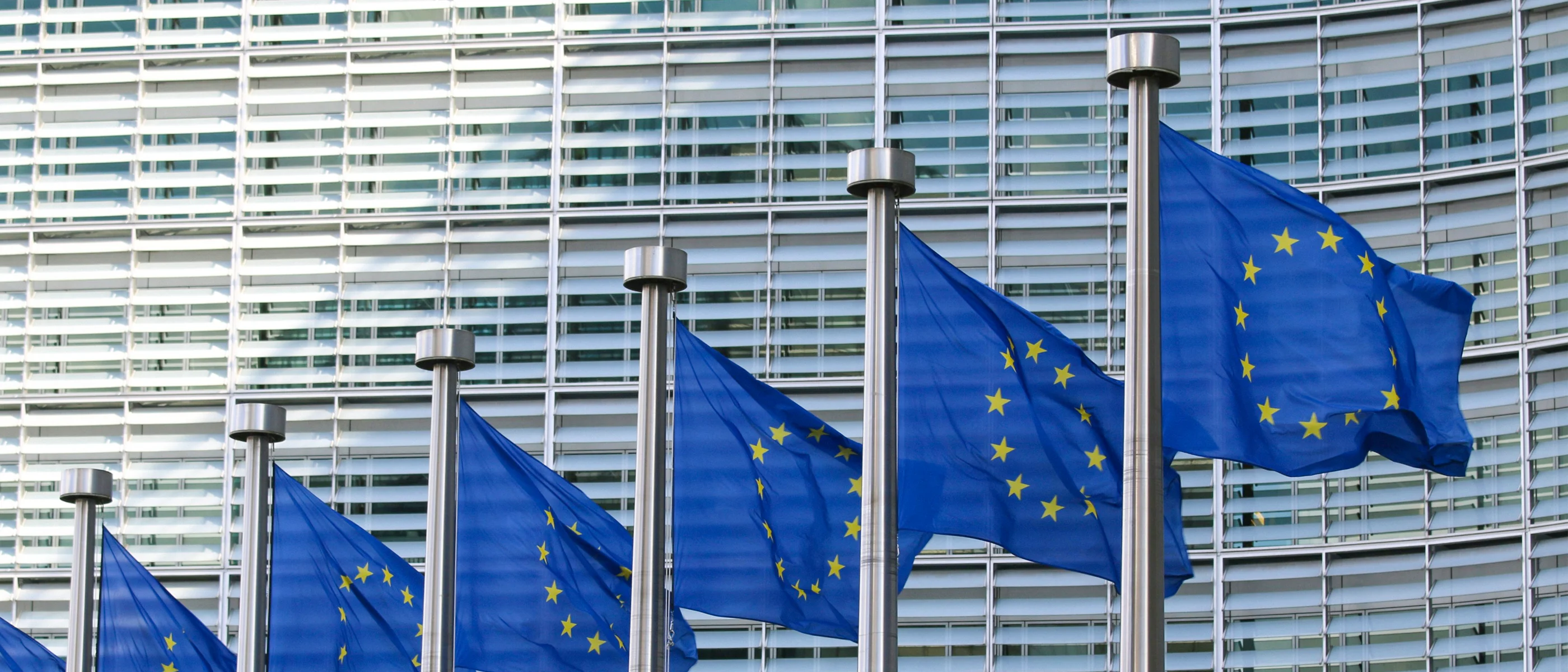
24 September 2026, 16:30-19:30 | Norrsken House, Brussels
Reducing climate impact through contrail avoidance
March 30, 2026
Explore our work




Our work draws upon the University of Cambridge‘s academic expertise and research rigour, together with the engineering capabilities of the Whittle Laboratory and the sustainability and policy expertise of the Cambridge Institute for Sustainability Leadership (CISL).