The 2030 Sustainable Aviation Goals
Five years to chart a new future for aviation
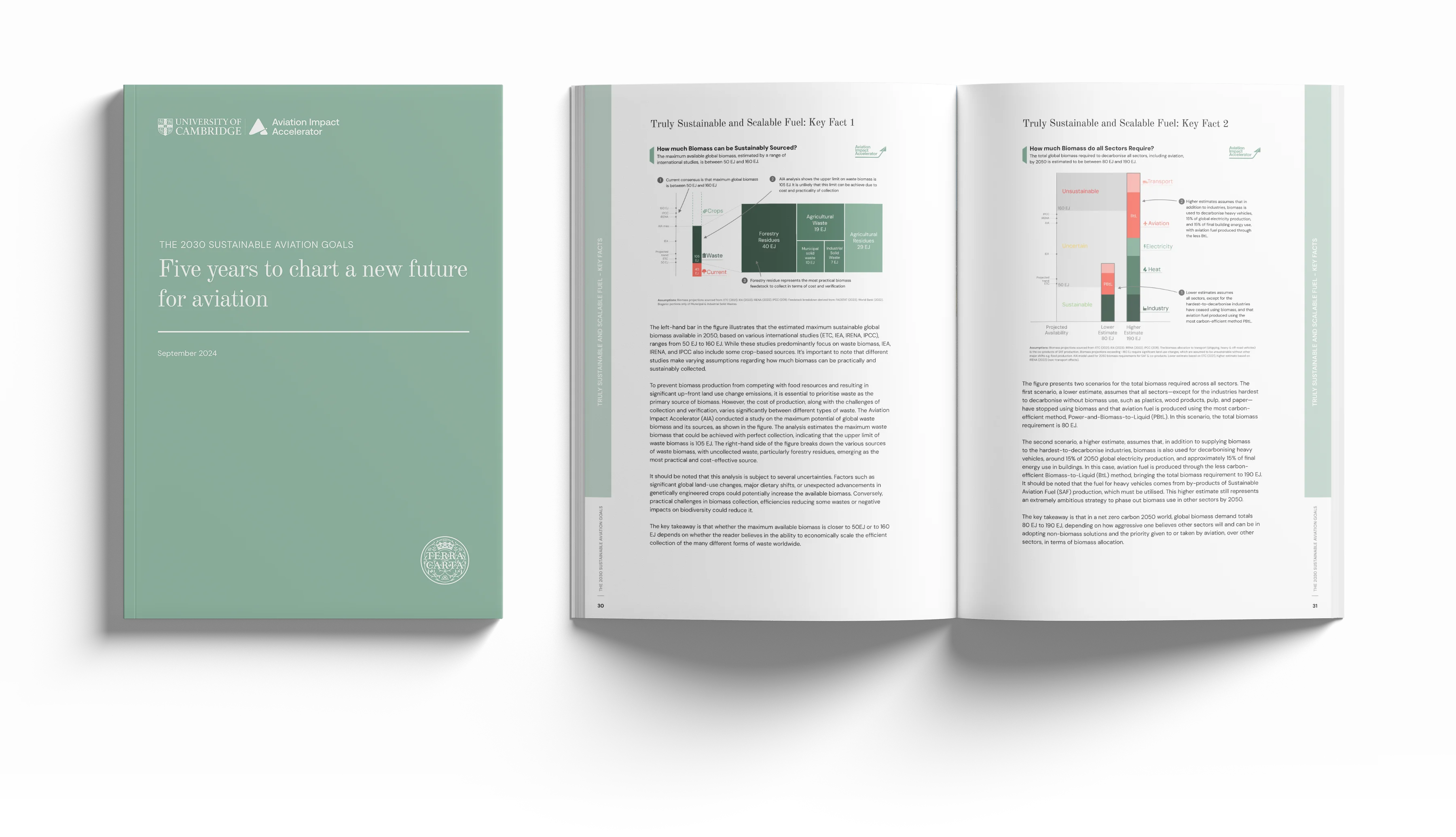
The 2030 Sustainable Aviation Goals  establish a clear, actionable roadmap to accelerate global decarbonisation and align the aviation sector with a net-zero trajectory by 2050. Devised by the Aviation Impact Accelerator, this report identifies four breakthrough, system-wide transformations designed for implementation within a five-year window.
doi.org/10.17863/CAM.112375
Developing marginal abatement cost curves for net zero aviation
The Aviation Impact Accelerator worked with the Department for Energy Security and Net Zero to develop aviation Marginal Abatement Cost Curve (MACC) analysis.
The work identified operational efficiency as a low-cost but implementation-constrained opportunity, demonstrated the near-term value of Low Carbon Aviation Fuel (LCAF), and quantified the long-term policy support needed for Sustainable Aviation Fuel (SAF), helping establish priorities for aviation’s transition to net zero.

Convening evidence-led dialogue on the future of UK aviation
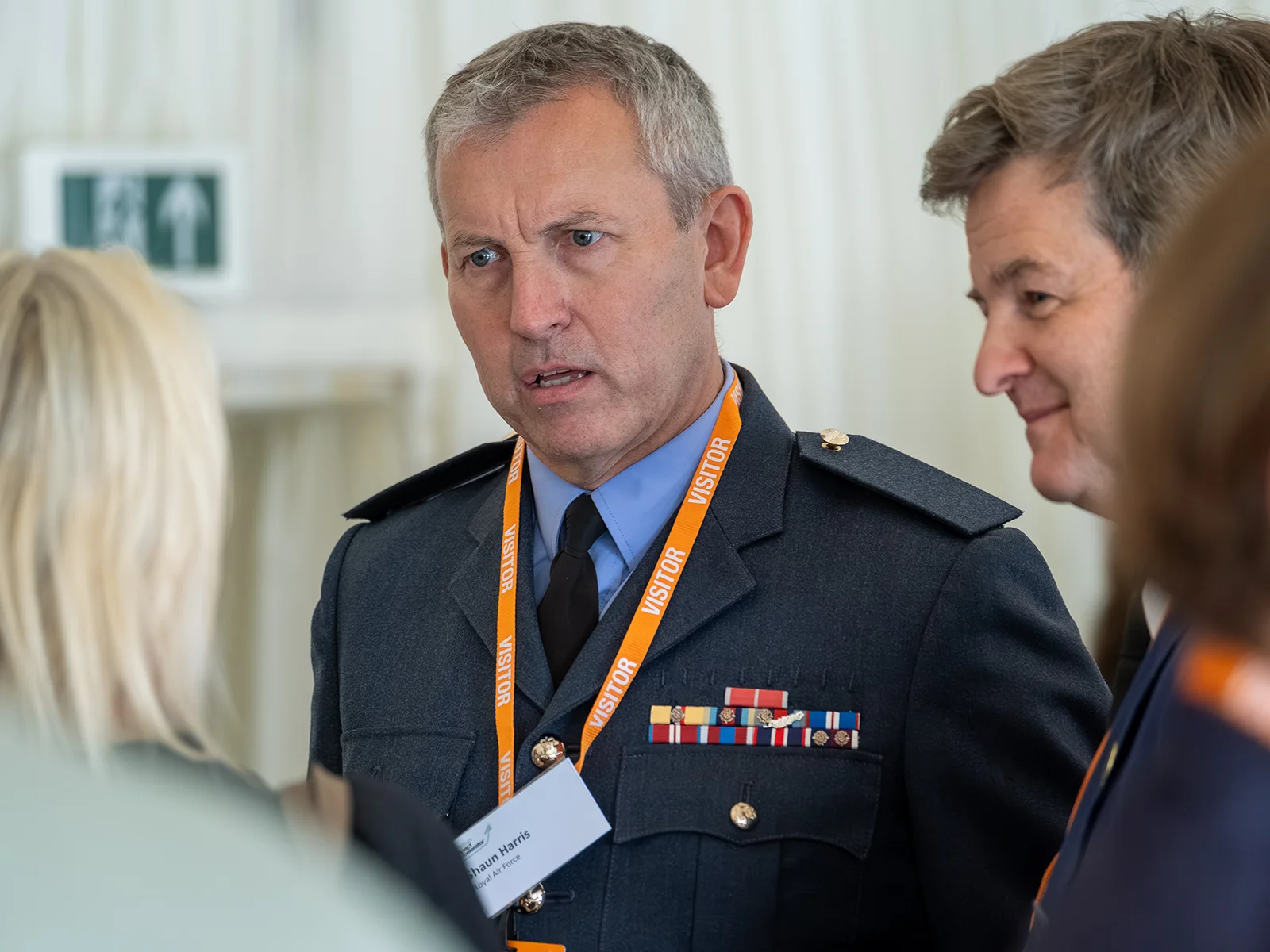
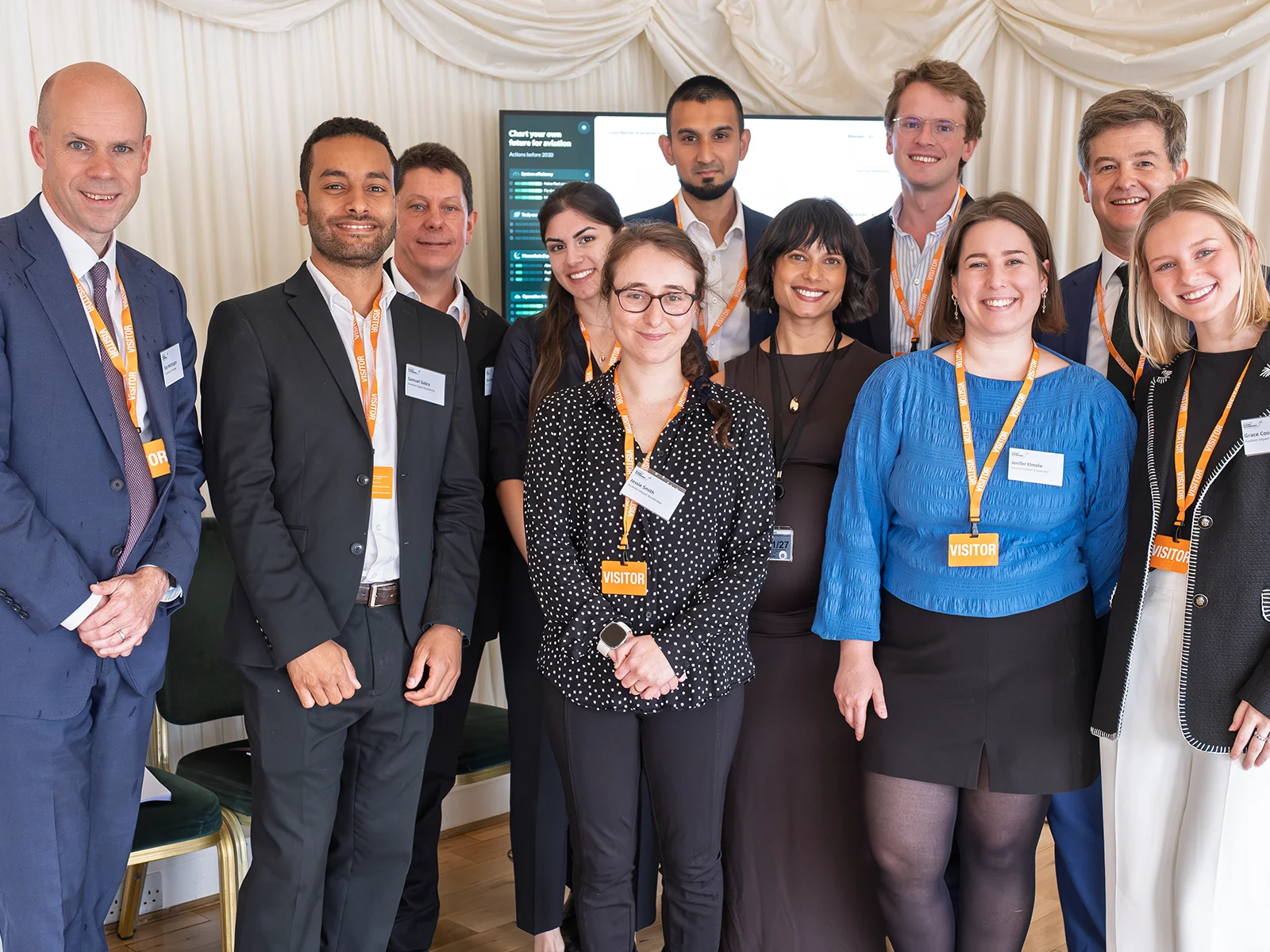
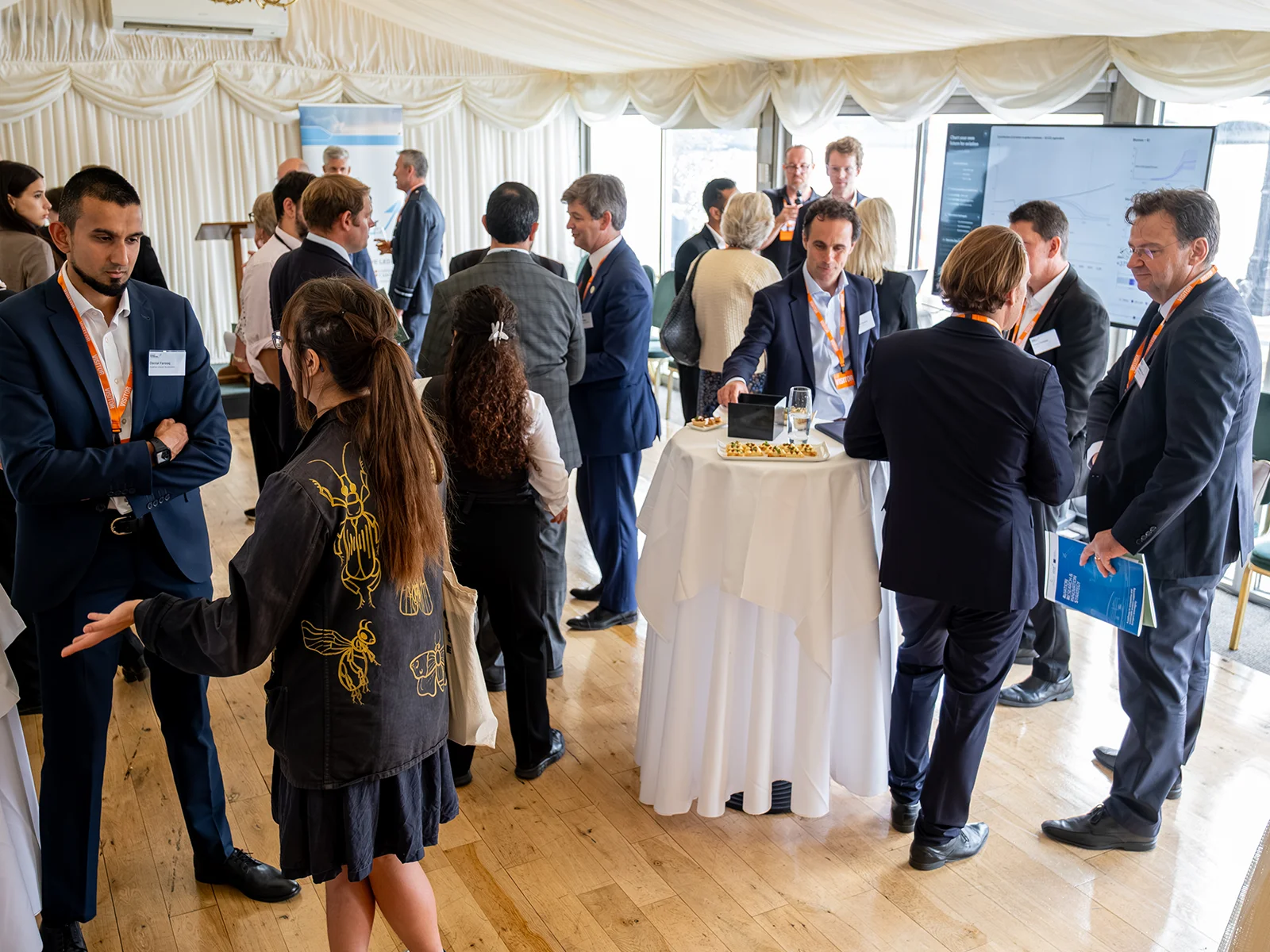
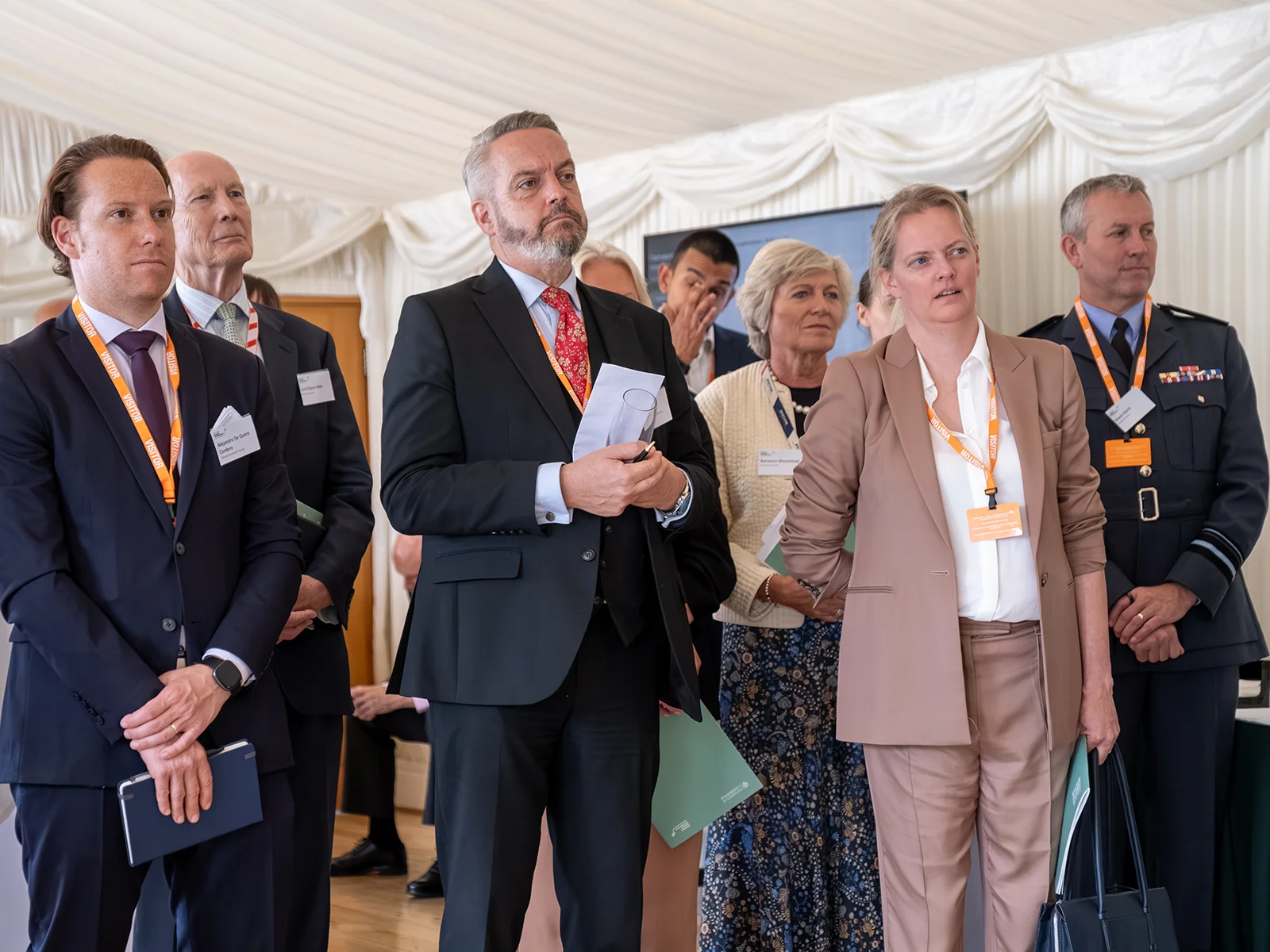
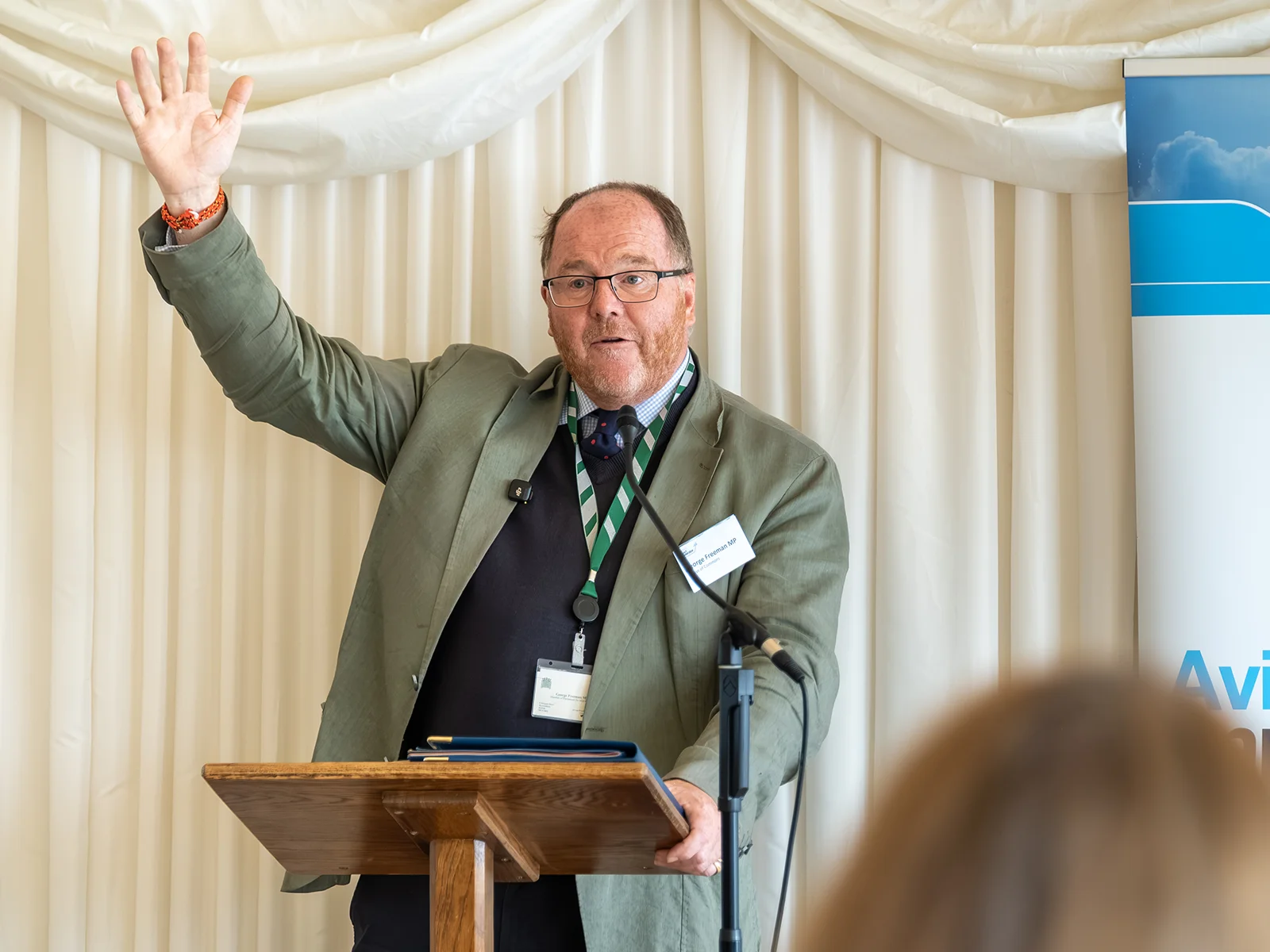
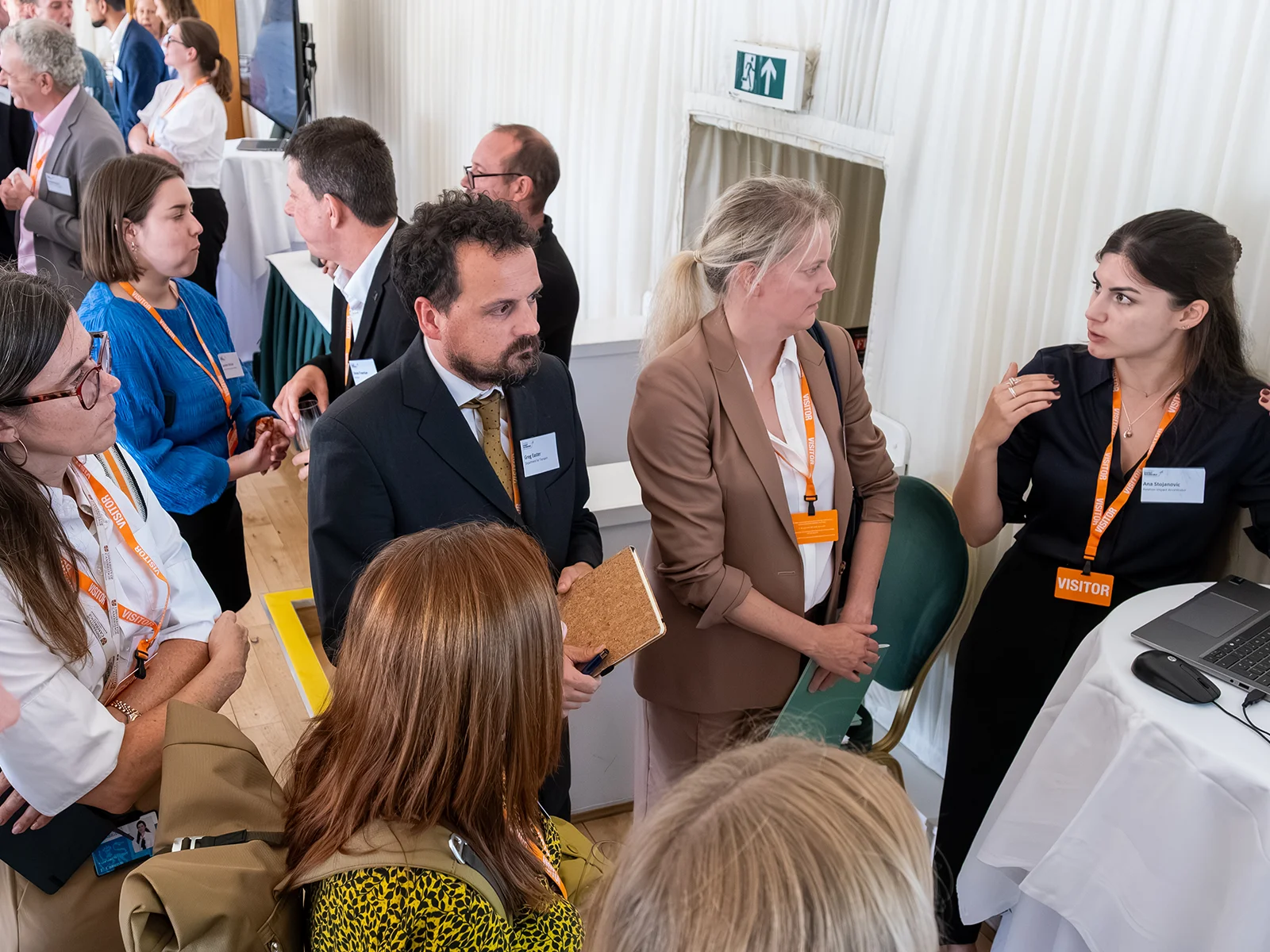
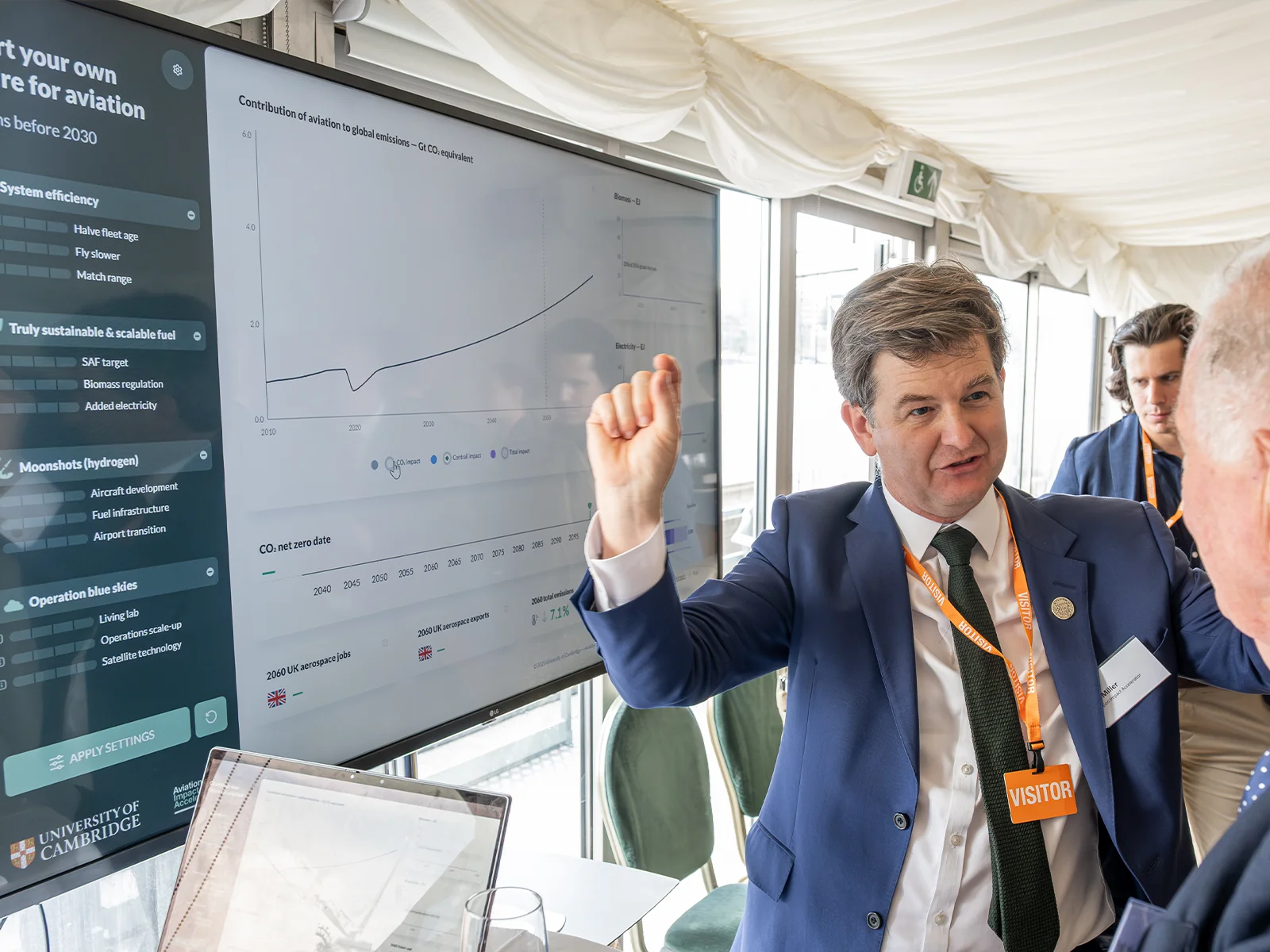
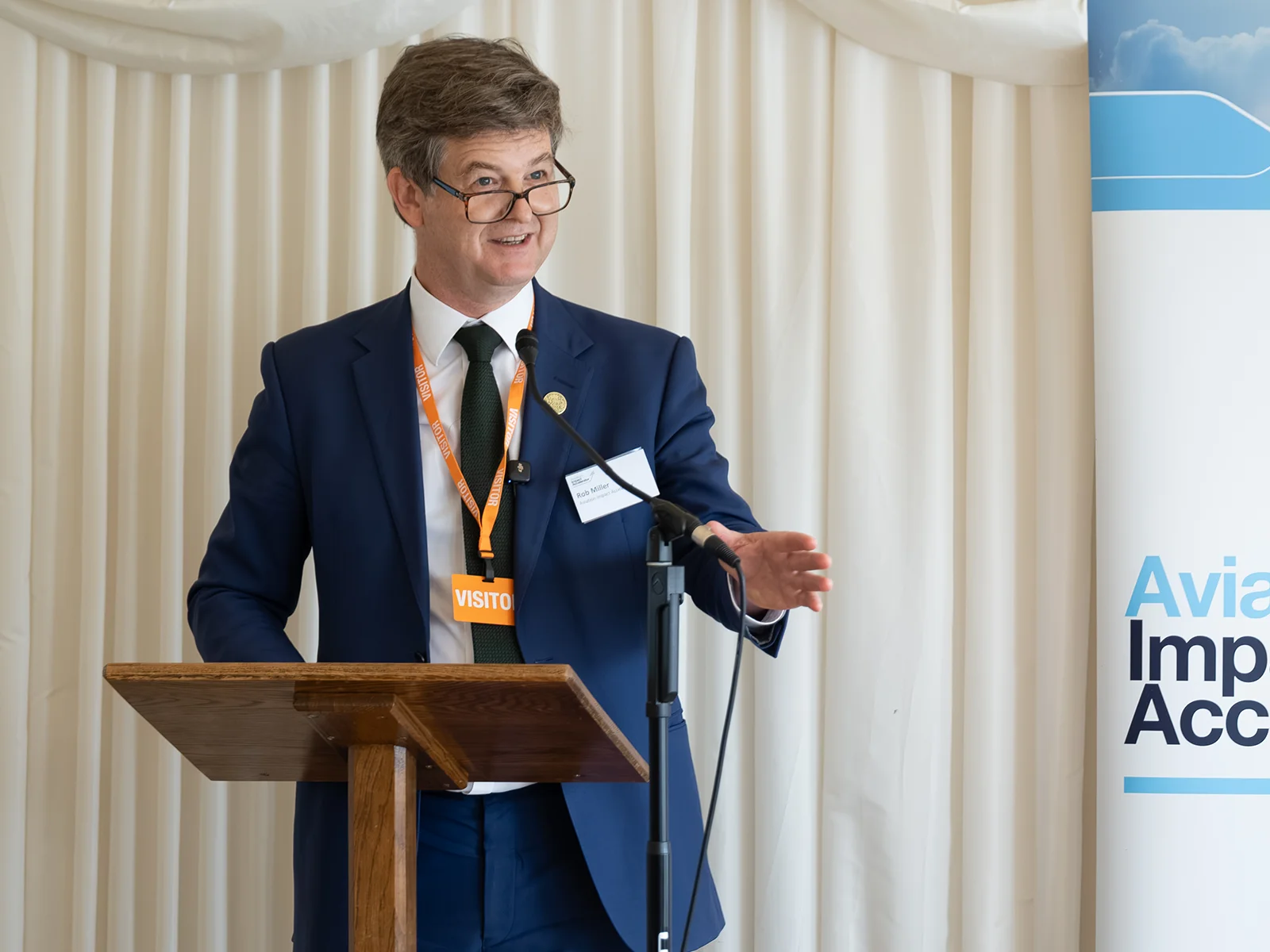
The Aviation Impact Accelerator brought together Members of Parliament, government, industry and academic leaders at the House of Commons to explore evidence-based pathways towards climate-neutral aviation.
The event showcased the AIA’s latest policy analysis and interactive decision-support tools, creating a forum to examine the role of Sustainable Aviation Fuel, operational efficiency, non-CO₂ impacts and emerging technologies in shaping the UK’s long-term aviation strategy.


Supporting the UK’s transition to Jet Zero through the SAF Mandate
The Aviation Impact Accelerator contributed independent modelling and analysis to inform the UK Government’s Sustainable Aviation Fuel (SAF) Mandate and Revenue Certainty Mechanism.
The work evaluated sustainable fuel pathways, feedstock availability, lifecycle emissions, production costs and technology readiness, providing the evidence base for key policy measures to inform SAF production and adoption in the UK.
The climate opportunities
and risks of contrail avoidance
A study published in Nature Communications by Dr Jessie Smith from the Aviation Impact Accelerator highlights the potential climate benefits of changing aircraft trajectories to avoid persistent contrails (condensation trails).
The study evaluates the potential climate benefit of navigational contrail avoidance, a term used to describe small adjustments to the route or altitude of aircraft to avoid regions where persistent contrails are likely to form.
The research uses reduced order climate modelling to assess aviation’s warming impact to 2050, and finds that contrail avoidance could provide rapid climate benefits, particularly if it is implemented early.
Informing operational efficiency for aviation decarbonisation
The Aviation Impact Accelerator provided independent analysis for the Department for Transport on how operational efficiency measures can reduce fuel consumption and CO₂ emissions across the aviation sector.
The analysis quantified the emissions reduction potential, costs and implementation barriers associated with a range of operational measures, identifying practical opportunities to improve aviation efficiency while supporting longer-term decarbonisation strategies.

Conferences of the parties
United Nations Framework Convention on Climate Change
Our participation in successive United Nations Climate Change Conferences (UNFCCC) has been a key part of the AIA’s international policy engagement. Our contributions have addressed topics ranging from the need for a whole-system approach to aviation decarbonisation at COP26 to the potential for contrail avoidance to halve aviation’s climate impact at COP29.




Assessing biomass availability for sustainable aviation fuels
The Aviation Impact Accelerator analysed the global availability and allocation of sustainable biomass to understand its role in aviation’s transition to net zero.
The research identified significant untapped biomass resources from agricultural residues, forestry and waste streams, while demonstrating that long-term availability is constrained by economics and land use rather than physical supply alone. The findings showed that policy and land-use interventions could substantially expand sustainable biomass resources, strengthening the evidence base for the strategic deployment of Sustainable Aviation Fuel (SAF).

Transatlantic Strategic Aviation Partnership
In collaboration with MIT Laboratory for Aviation and the Environment
The Transatlantic Strategic Aviation Partnership (TSAP) brings together senior government and academic leaders from across the US, UK and EU to strengthen collaboration on the future of aviation.
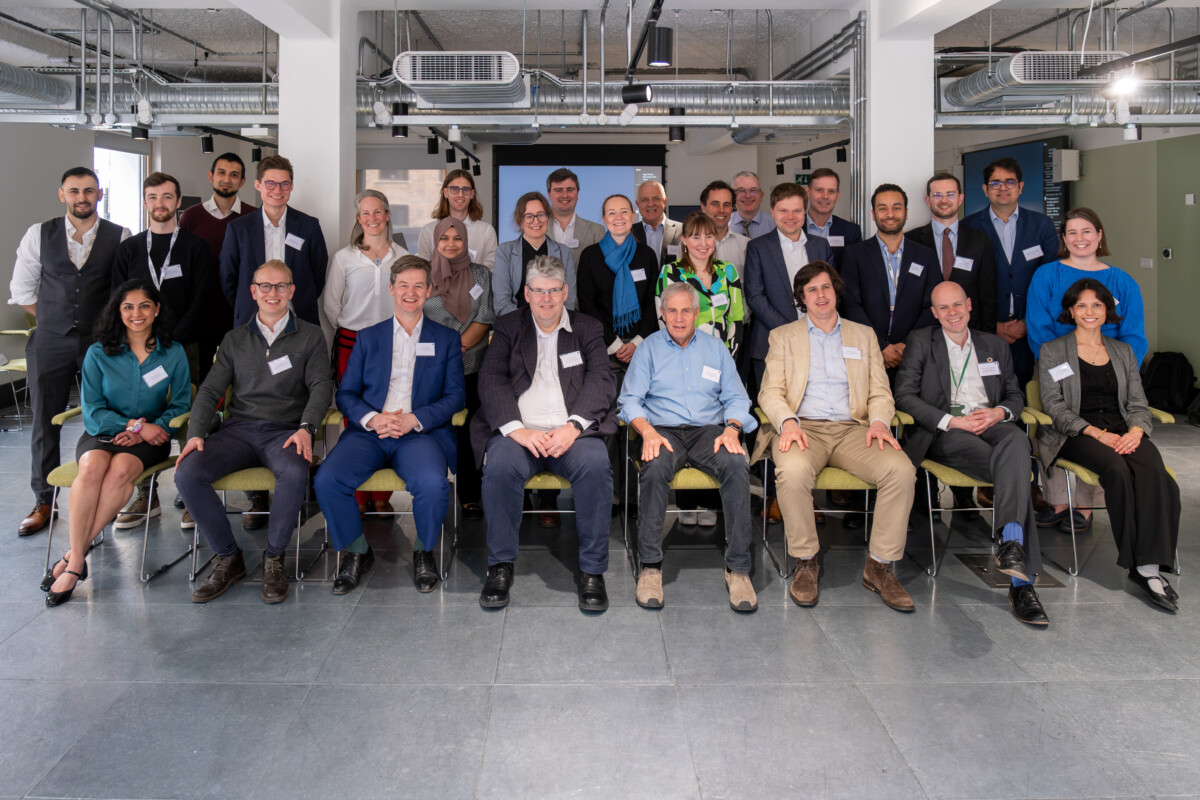
Jointly convened by the MIT Laboratory for Aviation and the Environment and the University of Cambridge’s Aviation Impact Accelerator, the partnership held workshops at MIT in Boston in 2023 and in Cambridge in 2025. The 2023 discussions helped shape the AIA’s 2030 Sustainable Aviation Goals report, while the 2025 workshop identified new priorities spanning cryogenic fuels, air traffic management and contrail avoidance, innovative air transport business models, and carbon removals.
Resource to Climate Comparison Evaluator
Globally, the aviation industry is responsible for 2-3% of greenhouse gas emissions due to the CO2 released in making and burning fossil jet fuel. However, accounting for non-CO2 emissions and considering all parts of the sector – from energy and fuel production to distribution and flight – likely increases the climate impact of aviation by more than two-fold.
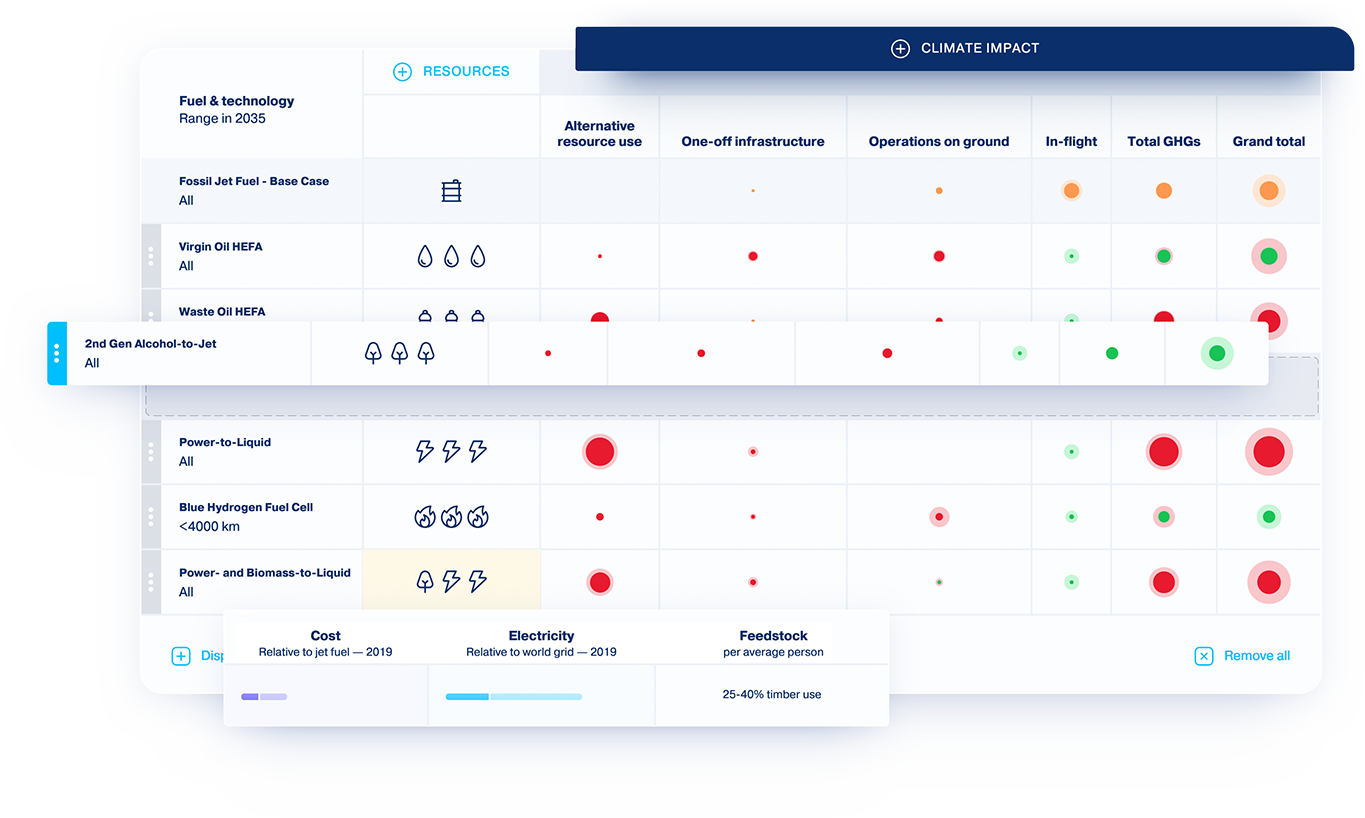
The Resource to Climate Comparison Evaluator (RECCE) aims to provide such a view by presenting a detailed breakdown of where in the system emissions occur and where the uncertainties are, as well as providing a scaled perspective of the resources and costs involved in producing alternative aviation fuels. To generate this data, the Aviation Impact Accelerator’s whole systems model has been run in 2035 at both ends of the uncertainty spectrum.

Target True Zero
Unlocking sustainable battery and hydrogen-powered flight
Developed by the World Economic Forum and the Aviation Impact Accelerator, Target True Zero report uses the AIA’s whole-system model to assess the potential of battery-electric and hydrogen-powered aircraft. It examines lifecycle emissions, non-CO₂ climate effects and the capabilities and uncertainties of alternative propulsion, identifying eight technology unlocks needed to support sustainable deployment. The report provides an evidence base to help policymakers and industry evaluate future pathways towards climate-neutral aviation.